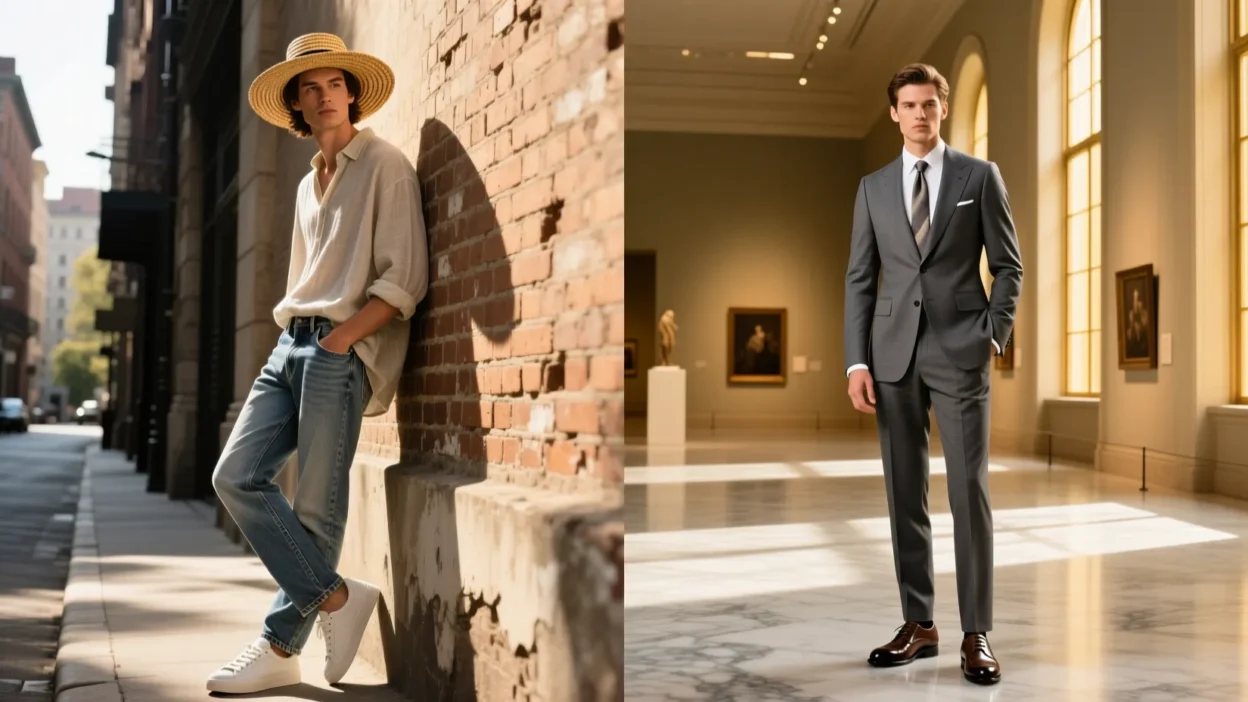
Fashion is a way to express yourself. It shows your style, mood, and personality. But not all clothes are the same. Some clothes are casual, and some are formal.
Casual clothes are relaxed and comfortable. Formal clothes are neat and proper. Knowing the difference helps you dress for the right place and event. In this article, we will explore casual vs formal fashion.
You will learn what makes them different, when to wear them, and how to choose your outfits easily.
1. What is Casual Fashion?
Casual fashion is all about comfort and ease. People wear casual clothes for daily activities, like going to school, shopping, or meeting friends. Casual clothes are simple and relaxed. They do not need to follow strict rules.
Examples of casual fashion:
- Jeans and t-shirts
- Sweatshirts and hoodies
- Sneakers or flats
- Simple dresses or skirts
Casual fashion allows you to show your personality. You can mix colors, patterns, and styles freely. It is perfect for informal settings where you want to feel relaxed and confident.
2. What is Formal Fashion?
Formal fashion is more serious and neat. People wear formal clothes for work, meetings, weddings, or official events. These clothes are clean, pressed, and well-fitted. Formal fashion shows respect and professionalism.
Examples of formal fashion:
- Suits and blazers
- Dress shirts and trousers
- Pencil skirts or formal dresses
- Dress shoes or heels
Formal fashion usually uses simple and soft colors, like black, white, gray, or navy blue. It is less about personal style and more about looking polished and professional.
3. Key Differences Between Casual and Formal Fashion
Understanding the differences makes it easy to choose the right outfit. Here are some key points:
- Comfort: Casual clothes are very comfortable. Formal clothes can be tight or structured.
- Occasions: Casual clothes suit everyday life. Formal clothes suit work, meetings, or ceremonies.
- Colors: Casual fashion can be bright and fun. Formal fashion is mostly neutral or dark.
- Footwear: Sneakers, sandals, or flats for casual. Dress shoes or heels for formal.
- Style: Casual is relaxed and creative. Formal is neat, simple, and classic.
By noticing these differences, you can pick clothes that fit the occasion and look appropriate.
4. Mixing Casual and Formal Styles
Sometimes, it is okay to mix casual and formal pieces. This style is called smart casual. It is popular for offices, dinners, or casual parties. Smart casual is comfortable but still looks neat.
Examples of smart casual:
- Blazer with jeans
- Dress shirt with casual shoes
- Polo shirt with chinos
- Simple dress with stylish sneakers
Smart casual lets you feel relaxed while still looking professional. It is a great way to combine comfort and style.
5. Tips for Choosing the Right Fashion
Here are some easy tips to help you choose casual or formal fashion:
- Check the occasion: Always know where you are going. Daily activities? Casual. Meeting or wedding? Formal.
- Comfort matters: Casual should be very comfortable. Formal can be less relaxed, but make sure it fits well.
- Colors and patterns: Use bright and fun colors for casual, soft and neutral colors for formal.
- Shoes and accessories: Casual shoes for daily wear. Formal shoes for work or events. Simple accessories for casual, elegant ones for formal.
- Mix smartly: Use smart casual if you want a balance between comfort and professionalism.
Following these tips helps you look good and feel confident in any situation.
Conclusion
Casual and formal fashion are two important styles. Casual fashion is comfortable and fun for everyday life. Formal fashion is neat and proper for work or special events.
Knowing the difference helps you dress appropriately. You can also mix them to create smart casual outfits. The key is to feel comfortable and confident while looking suitable for the occasion.
By understanding these styles, you can enjoy fashion and express your personality in the right way.